


I get into a lot of conversations about the role of government and how it’s supposed to work and what it’s supposed to do. As I’ve mentioned many times before, I believe one thing: The government is bad at doing things and should do less things. Seems inarguable to me but some people get very concerned about the fallout of the government cutting back.
“What will happen if the government stops giving money to people who really really need it!?” is often the basic formulation of the question that is designed to appeal to the heartstrings of Americans.
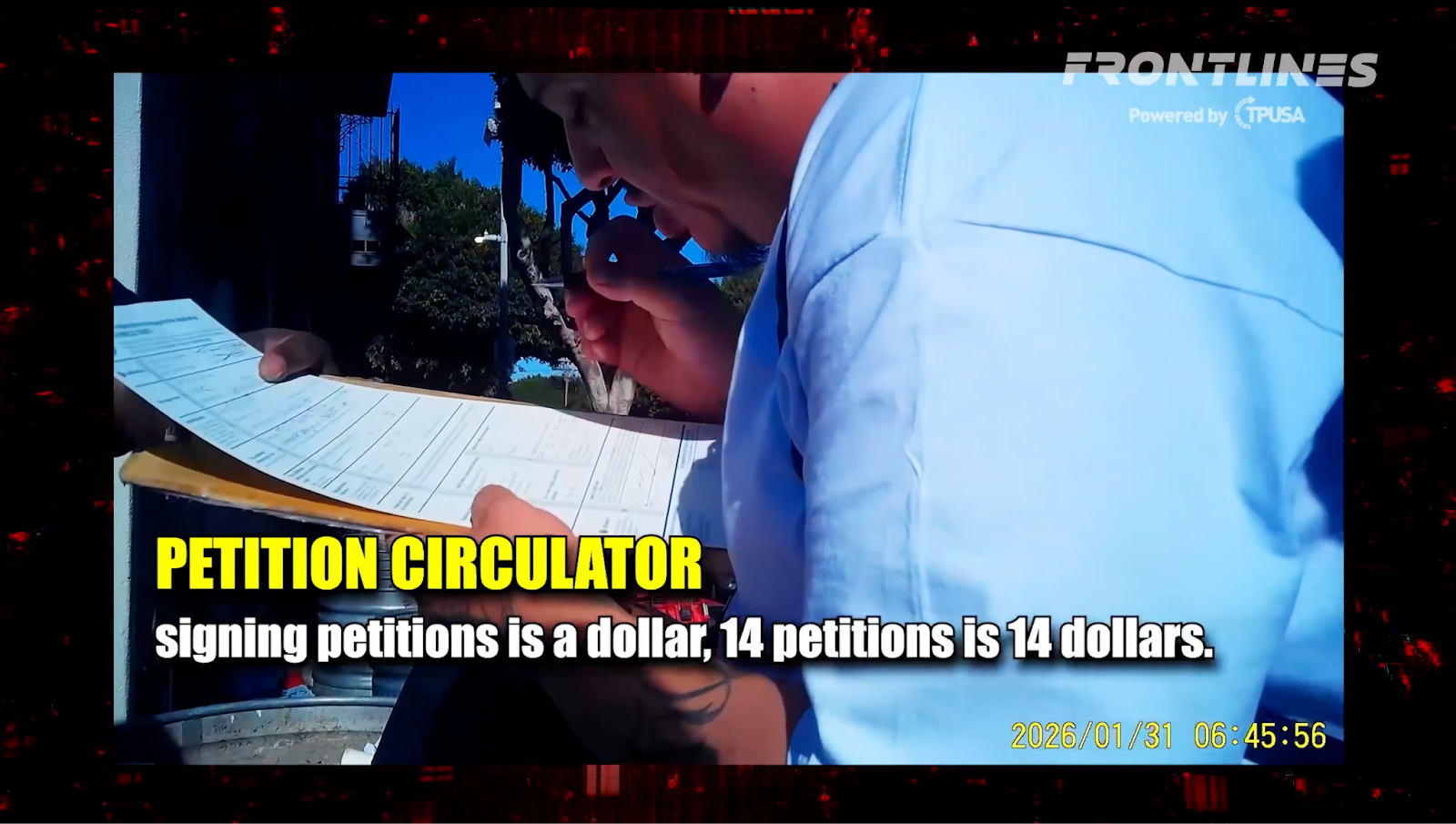
The obvious component that everyone – right, left, and center – agrees on is that we don’t want freeloaders. In a government-controlled welfare state, that almost seems unavoidable. To some, that’s just the unfortunate byproduct of a necessary process. To me, it’s an intolerable pitfall of an exploitive system.
People tend to forget about local and private charity which serves those who actually need a helping hand. How do we minimize freeloaders in society? Stop depending on the government to help those genuinely in need. If more focus is given back to the communities and community organizations (churches, philanthropy clubs, etc) it will likely do three things:
- More efficiently and effectively address the problem that individuals have.
- Make it harder for freeloaders to attain services as the gatekeepers are those in the community and not a nameless, faceless government check
- Lessen the burden on an already overwhelmed government to hopefully allow them to become competent in things they’re supposed to do- like upkeep roads and homeland security
Private charity is more effective, more efficient, and crushes the need for big government. Tax incentives for donations are nice, but how about cutting the federal welfare system altogether and letting the communities help themselves to prosperity while eliminating the bloat and fraud that inherently comes with Big Gov welfare.