








The Manhattan Institute’s City Journal has released new rankings of universities across the country, evaluating schools on factors that include free speech, meritocracy, and resistance to political activism.
The rankings score schools lower if they require DEI courses or DEI statements for hiring, promote forms of political activism, or fail to address violent anti-semitic protests on campus. The rankings combine publicly available information from sources like the Department of Education’s College Scorecard, and the Foundation for Individual Rights and Expression’s College Free Speech Rankings. The journal also developed original measures for the rankings, which factor in the ideological balance of political student organisations on campuses and the “partisan makeup of faculty campaign contributions.”
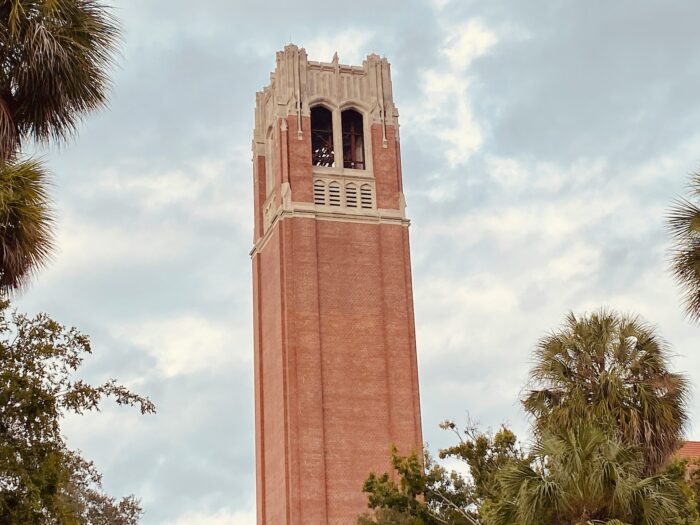
At the top of the list was the University of Florida, which has received acclaim for eliminating its diversity, equity, and inclusion initiatives and for prioritizing standardised test requirements in admissions. Also among the top five were the University of Texas at Austin, the University of North Carolina-Chapel Hill, Texas A&M, and the University of Notre Dame.
Lower rankings were given to Ivy League schools, which had an average position of number 42 and significantly higher tuition than higher-ranked universities. Penn State placed at number 17. Yale ranked number 30, Harvard number 37, and Columbia number 34. The eight Ivy League schools included in the rankings faced lower scores due to failures to address anti-semitic protests that erupted after Hamas’ October 7, 2023, attack on Israel. Notably, the presidents of Columbia and the University of Pennsylvania resigned last year following backlash to their handling of the unrest.
Additional scoring reductions were tied to DEI policies. According to Campus Reform, Yale has about 16 DEI staff per 1,000 students, and Dartmouth requires DEI statements for nearly 85 percent of job postings.