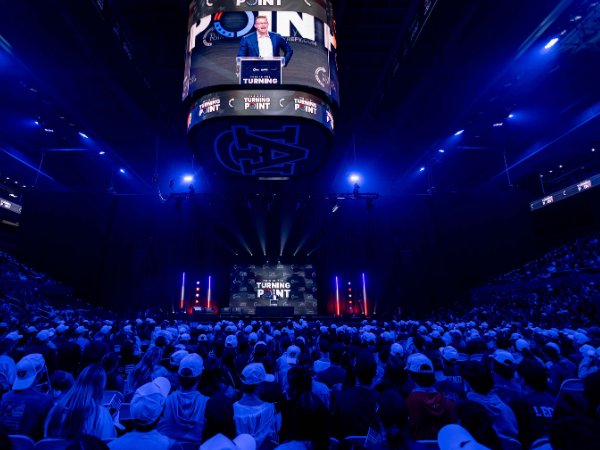


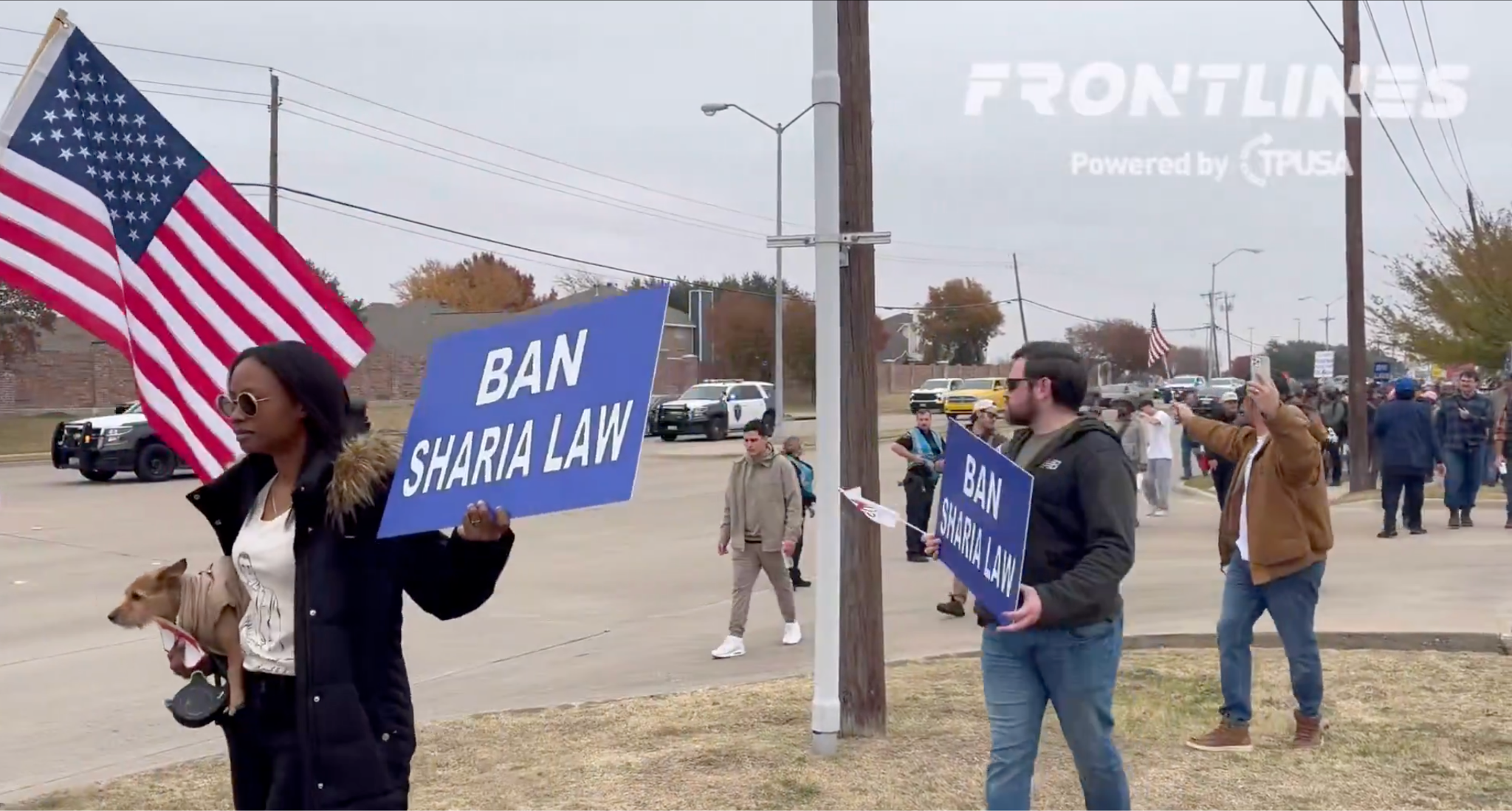


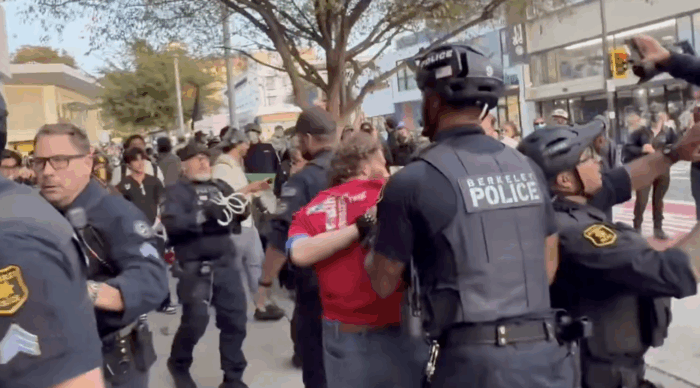
The Department of Education has announced a review of the University of California, Berkeley, to determine whether the school failed to meet campus safety requirements during the violent protest at a Turning Point USA event earlier this month.
The department’s Office of Federal Student Aid (FSA) said the review will investigate whether UC Berkeley violated the Higher Education Act, also known as the Jeanne Clery Campus Safety Act (Clery Act), which requires colleges to meet specific safety and security standards to receive federal funding.
“Just two months after Turning Point USA founder Charlie Kirk was brutally assassinated on a college campus, UC Berkeley allowed a protest of a Turning Point USA event on its grounds to turn unruly and violent, jeopardizing the safety of its students and staff. Accordingly, the Department is conducting a review of UC Berkeley to ensure that it has the procedures in place to uphold its legal obligation to maintain campus safety and security,” said US Secretary of Education Linda McMahon. “This is not about students’ First Amendment rights to protest peacefully. This is about ensuring accurate and transparent reporting of crime statistics to the campus community and guaranteeing that every student can safely participate in educational programs and activities. The Department will vigorously investigate this matter to ensure that a recipient of federal funding is not allowing its students to be at risk.”
The department noted that UC Berkeley has a history of Clery Act violations. In 2020, the university was fined $2.4 million for misclassifying 1,125 crimes and maintaining insufficient public crime logs. Under the settlement, UC Berkeley agreed to train its Campus Security Authorities, review campus safety procedures, and submit revised safety policies and updated crime statistics.
The current review will assess both ongoing compliance issues and the incident at the “This is the Turning Point” tour stop. The department has requested that UC Berkeley submit documentation in 30 days, which includes things such as copies of the original 2025 Annual Security Report (ASR), records of disciplinary actions related to illegal possession or use of weapons, drugs, or alcohol, and police department activity logs from 2022–2025, among other materials.